The Fellowship Story
The Founder

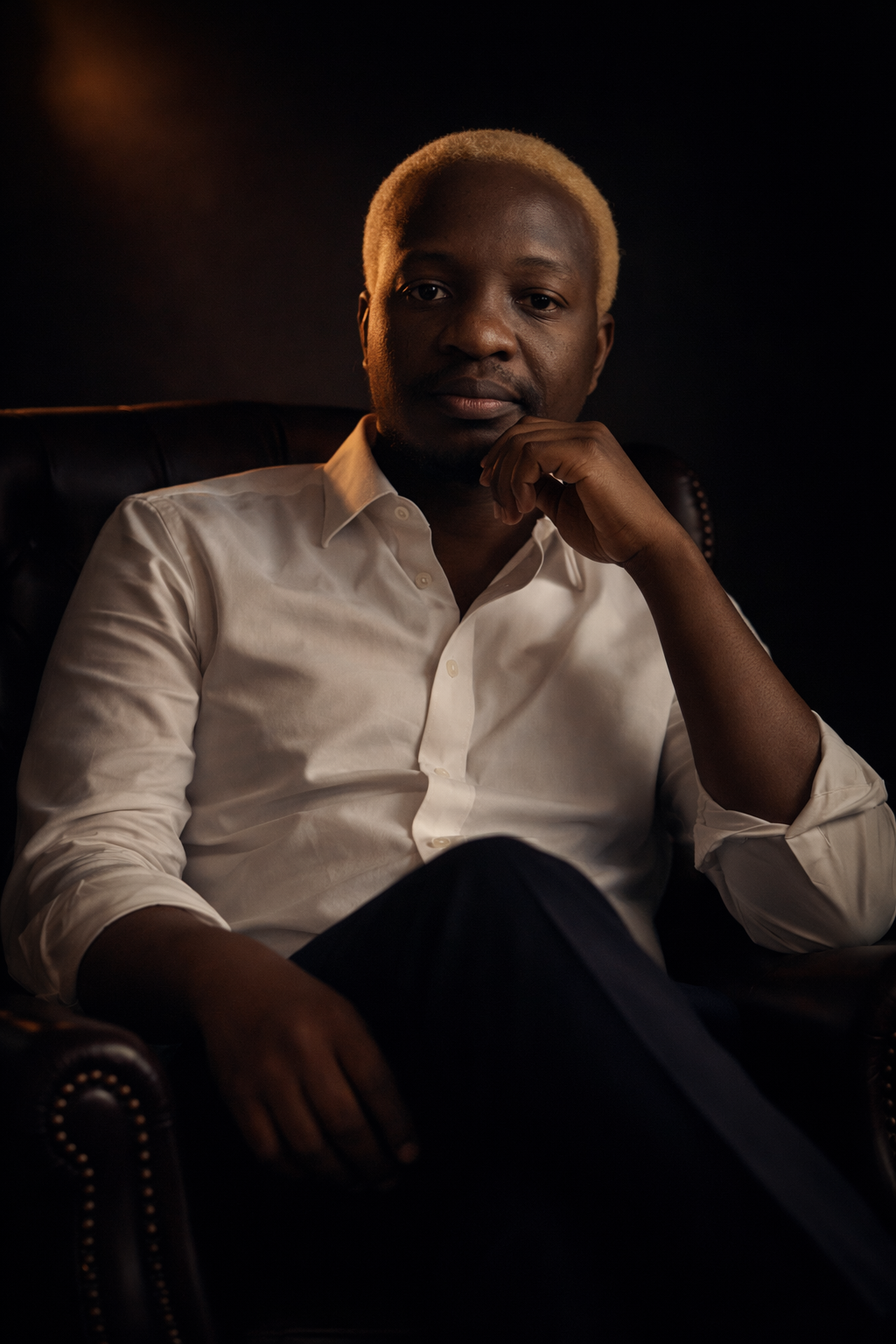
Kabiesi Ademola

Leader. Builder. Believer in the untapped potential of African people.

Kabiesi Ademola

Kabiesi Ademola

Founder · Kabiesi Fellowship

Kabiesi Ademola

Founder & Visionary

Leader. Builder. Believer in the untapped potential of African people. The fellowship is the fullest expression of how he sees the world and what he believes is possible within it.

Origins

A Name That Carries Weight

Kabiesi — meaning 'one who cannot be questioned', a title of royal address in Yoruba tradition — is not merely a name. It is an inheritance. To carry it is to understand, from childhood, that leadership is not a role you apply for. It is a responsibility you are shaped into.

Born in Nigeria and raised between worlds — traditional and modern, local and global — Kabiesi Ademola grew up asking questions that had no easy answers. Why do the most talented people leave? Why do the strongest communities lack resources? Why does potential so often go unrealised?

Formation

Education as a Tool, Not an End

Kabiesi pursued his education with intention — not to collect credentials, but to acquire the frameworks needed to think clearly about large, complex problems. He studied across disciplines, absorbing from economics, the humanities, and the applied sciences the kind of cross-cutting literacy that defines the best leaders.

But it was not in classrooms that his worldview was forged. It was in conversations — with elders who had seen governments rise and fall, with peers who were quietly building things that mattered, with communities whose resilience was the real curriculum.

The Turn

From Doing to Developing Others

There came a point — as there does for many who build things — when the question shifted. Not 'what can I build?' but 'who can I build?'. Kabiesi had seen, repeatedly, that the bottleneck in African development was not resources, not land, not opportunity in the abstract. It was people — specifically, people who had been developed to their full capacity and then pointed at hard problems.

The fellowship began as a small experiment in answering that question. A handful of people. A shared commitment. A belief that if you invest deeply in the right people, the returns compound in ways you cannot predict or control — only marvel at.

Philosophy

What He Believes

Kabiesi believes that dignity is the foundation of development. That people cannot build flourishing societies if they do not first know their own worth. The fellowship is, at its core, an act of affirmation: you are enough, and you are not alone.

He believes in proximity. That the most important conversations happen when people are in rooms together — not on screens, not through documents. The fellowship's in-person gatherings are not events. They are encounters that change people.

And he believes in the long arc. That the most important work cannot be measured in quarters or even years. That planting is as sacred as harvesting, and that the most faithful thing a leader can do is prepare people for futures they will not live to see.

In His Words
Excellence is not a destination. It is the only acceptable direction of travel.

On craft and mastery

We do not borrow identities from elsewhere. We excavate our own — and find that they are more than enough.

On African identity

The most powerful thing you can give a person is the belief, backed by evidence, that they are capable of more.

On the fellowship's purpose

Legacy

Building something
that outlasts him.

Kabiesi is deeply aware that the most meaningful institutions outlive their founders. Every decision about the fellowship — its culture, its systems, its values — is made with the question: will this hold when I am no longer in the room?

The answer, fellows have consistently shown, is yes. Alumni lead. Peers hold each other. The community polices its own standards. The fellowship has become, as intended, a living thing — not a programme that runs, but a people that moves.

01

Fellows first, always

Every governance decision starts with: what does this mean for a fellow five years from now?

02

Culture over compliance

Rules are a substitute for culture. We build culture — then the right behaviours follow naturally.

03

The founder must be replaceable

The best founders build organisations that do not need them. That is the truest test of leadership.

Carry the Torch

The fellowship is looking for you.